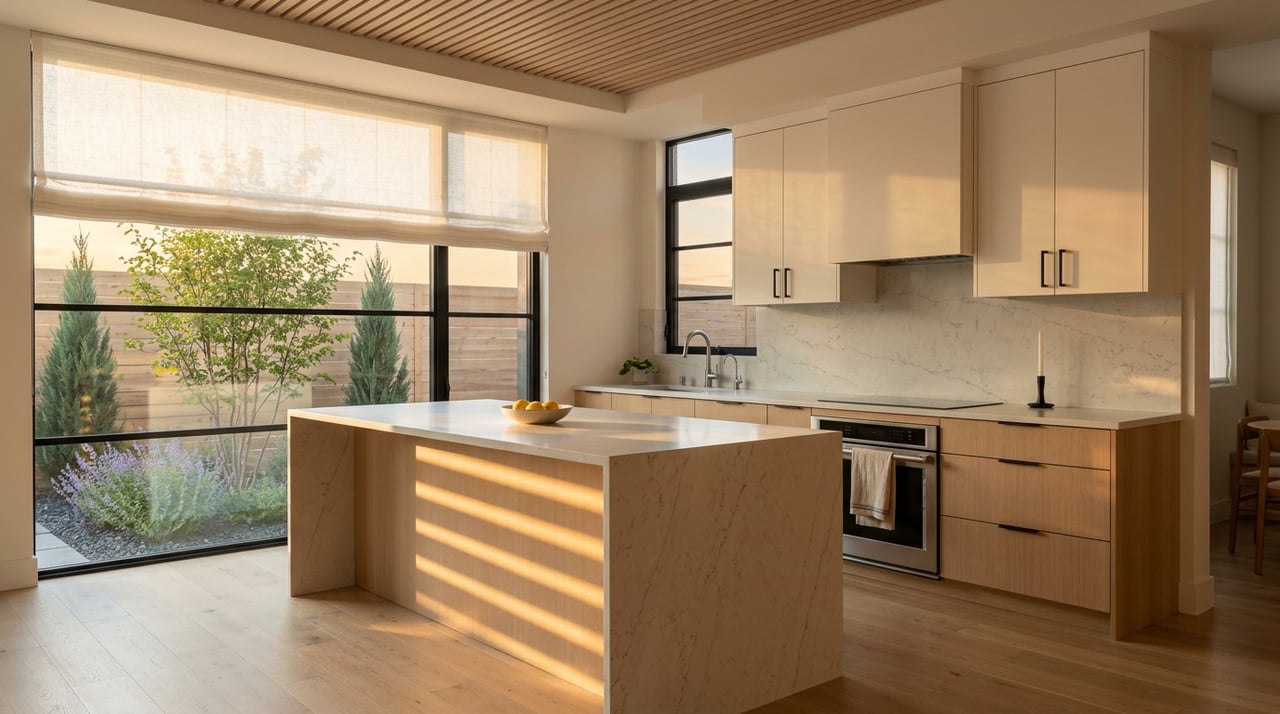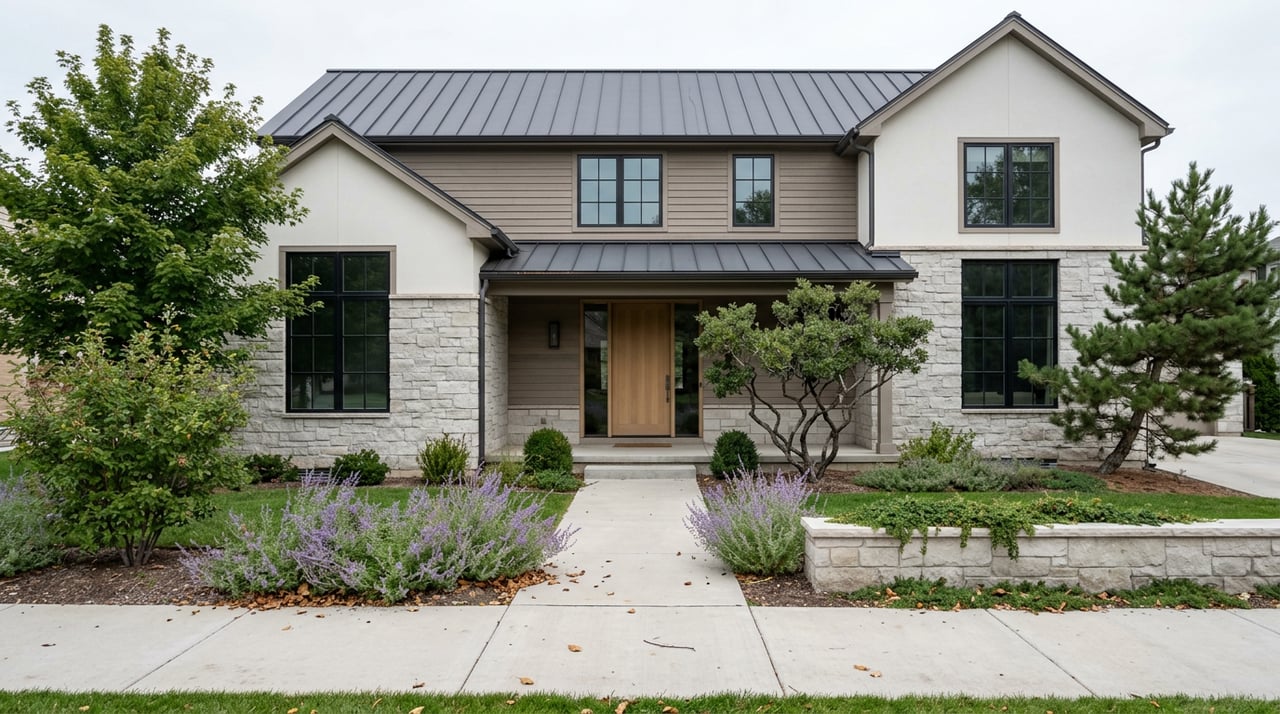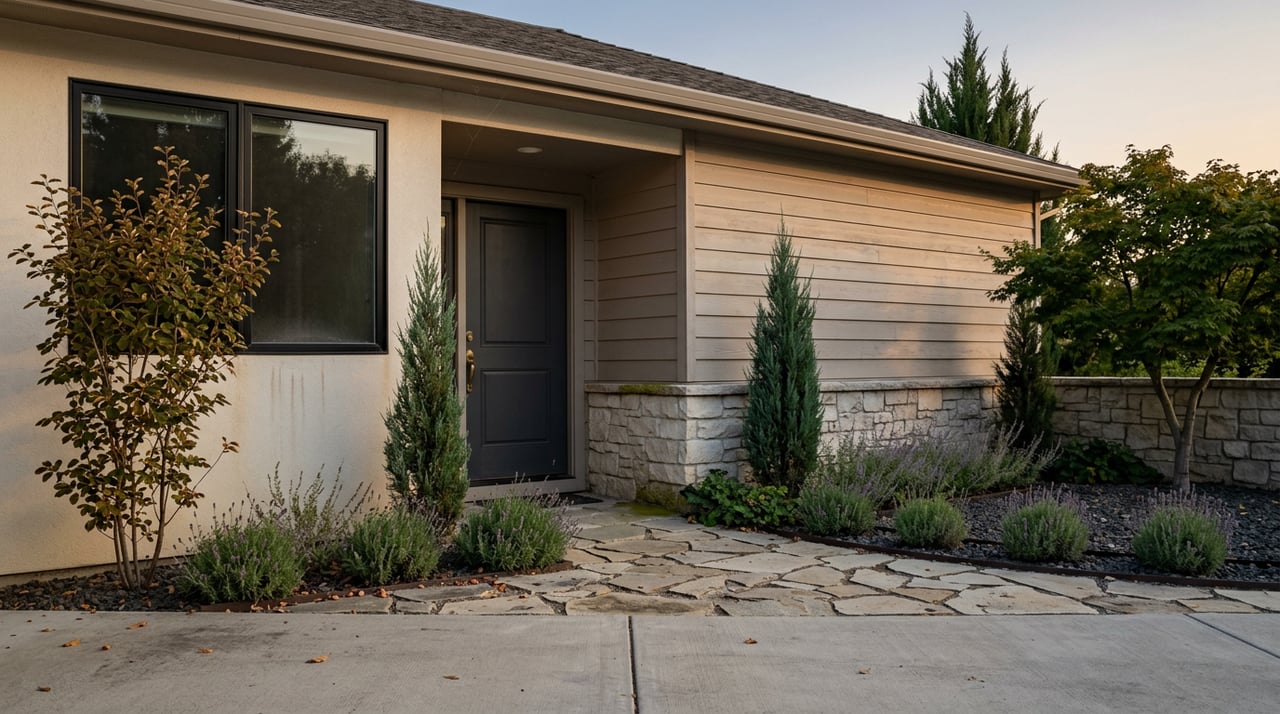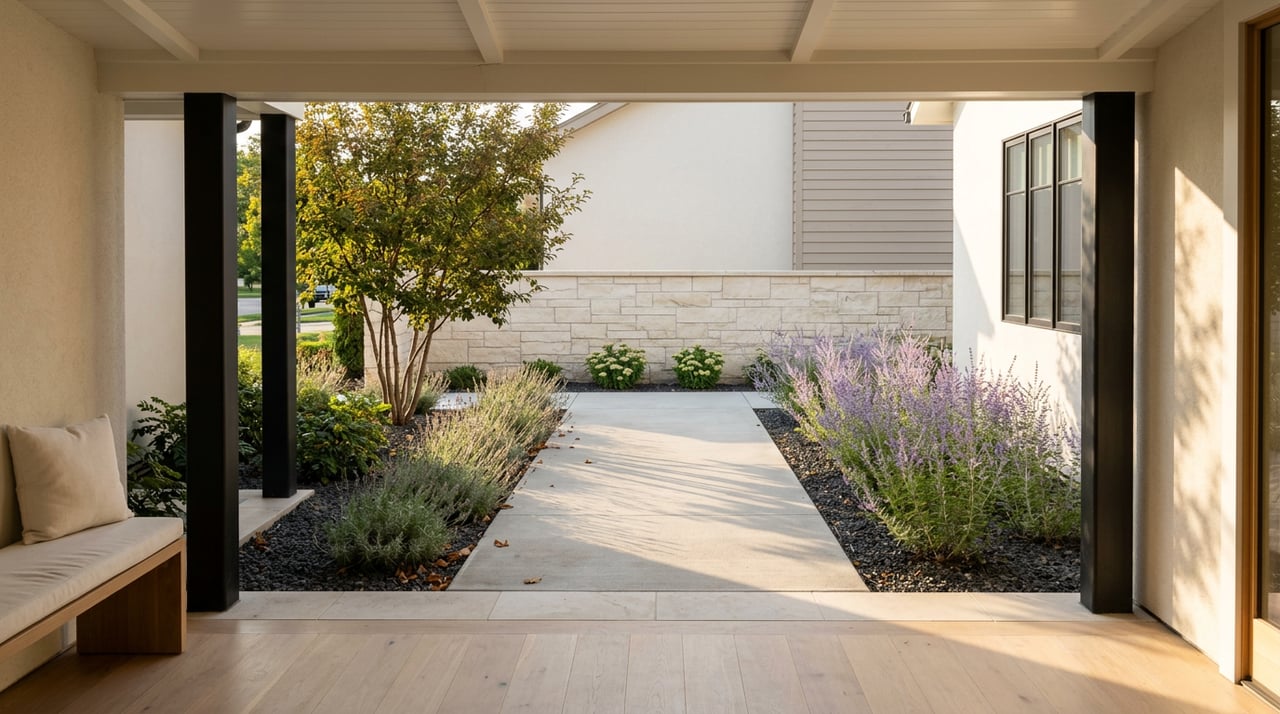
If you are thinking about buying your first investment property in West Jordan, it is easy to assume the path is simple: find a home, rent it out, and watch the numbers work. In reality, West Jordan rewards careful planning more than guesswork. If you understand the city’s housing mix, zoning rules, rental requirements, and basic operating costs, you can make a much more confident decision. Let’s dive in.
Why West Jordan deserves a closer look
West Jordan can make sense for a first investment because it sits in a part of Salt Lake County where many buyers already understand the appeal of suburban housing, transit access, and established neighborhoods. The city has 116,812 residents and a 77.2% owner-occupied housing rate, which tells you it is still primarily a homeowner market.
That owner-occupied pattern matters when you are evaluating an investment strategy. West Jordan’s median owner-occupied home value is $492,500, compared with $525,700 in Salt Lake County, while median gross rent is $1,757 compared with $1,592 countywide. In plain terms, West Jordan is somewhat lower on home value than the county overall, but rents are not dramatically discounted, so you still need a disciplined, property-by-property analysis.
The city’s planning materials also show a target housing mix of 77% single-family and 23% multi-family. West Jordan has six TRAX stations, and the city guides denser housing toward areas where transit and infrastructure already exist. That means you should expect a market that is still largely suburban, with denser rental opportunities concentrated in specific areas rather than spread evenly across the city.
Start with zoning, not assumptions
One of the biggest early mistakes investors make is judging a property by its layout alone. In West Jordan, the better first step is to confirm what the parcel is actually zoned for before you assume a basement apartment, duplex, or multifamily setup is allowed.
West Jordan separates residential zoning into R-1 single-family, R-2 two-family, and R-3 multi-family districts. Some properties may also sit within planned-community or mixed-use overlays, so the city’s zoning map and subdivision lookup are part of basic due diligence.
That zoning framework shapes which property types are often the most practical for a first-time investor. In many cases, your best starting options may be:
- A single-family home with a legal basement apartment or ADU
- A duplex in an R-2 area
- A small multifamily property that is already approved for that use
The key word is legal. A property may look rental-ready, but if the use is not permitted or the space was finished without the right approvals, your investment plan can change quickly.
Understand ADU rules before you buy
If you are considering a house-hack strategy, West Jordan’s ADU rules deserve close attention. They can create opportunity, but they also set clear limits.
The city allows only one ADU per property. ADUs are not allowed in multi-family, mobile home, or attached housing units. The unit must have separate areas for eating, sleeping, and sanitation, and it must be rented for 30 days or longer.
West Jordan also requires the owner to maintain a valid business license if renting either the primary unit or the accessory unit. Separate utility meters are not permitted for an ADU, which can affect how you budget monthly costs and communicate with tenants.
For a first-time investor, this means an ADU strategy should be approached as an operating business, not just an extra bedroom with a side entrance. If the numbers only work when you ignore utility sharing, licensing, or code compliance, it may not be the right first deal.
Look for a layout that supports renting
Once zoning checks out, the next question is whether the property actually functions well as a rental. A rental-friendly layout can make day-to-day ownership much easier.
West Jordan’s Good Landlord Program requires a rental application, a valid written lease, a four-hour landlord course, and at least one off-street parking space per rental unit at no additional charge to the tenant. Those requirements make layout and site design more important than many first-time buyers expect.
In practical terms, a strong rental layout often includes:
- Clear and private tenant access
- Adequate off-street parking
- Logical separation between living spaces
- Finished areas that appear consistent with code requirements
- A setup that avoids awkward shared circulation
For basement apartment or ADU plans, the city also emphasizes compliance with building, health, and fire codes. That makes features like clean separation, finished basements, and proper egress especially important when you are comparing options.
Factor in operations before you make an offer
The best-looking property on paper can still become a frustrating investment if you underestimate the work that comes after closing. In West Jordan, operating details should be part of your buying decision from the beginning.
The city says rental dwelling units have been associated with 78% more calls for service annually than owner-occupied homes. That does not mean rental property is a bad investment. It does mean you should plan for more oversight, more communication, and more reserve capacity than you might expect.
If you plan to hire a property manager, West Jordan asks owners to complete a Property Management Authorization Form. The city also requires utility accounts for renting homes to remain in the owner’s name, with the owner or manager responsible for providing billing information to tenants.
That may sound like a small detail, but it affects how you handle bookkeeping, utility reimbursement, and tenant communication. For a first investment, simplicity matters, so a cleaner utility setup can be a real advantage.
Build your numbers conservatively
A first investment property should work under realistic conditions, not perfect ones. That means your analysis should start with projected rent and then account for all the ordinary costs of ownership.
In West Jordan, your first-pass deal analysis should typically include:
- Mortgage payment
- Property taxes
- Insurance
- HOA dues, if any
- Utility obligations
- Vacancy reserve
- Maintenance reserve
- Management costs, if used
- Local licensing costs
Salt Lake County says residential property is typically taxed on 55% of value after a 45% deduction for tax purposes. West Jordan also requires a current general business license plus a rental license, with a per-unit fee due at application or renewal.
This is where many first-time investors get tripped up. Market rent is not the same as net income. A property that looks appealing at full occupancy may feel very different once you account for turnover, repairs, utility handling, and licensing.
Know the deposit rules and turnover timeline
Utah’s deposit law also matters when you are planning reserves and managing move-outs. Landlords may apply a deposit to unpaid rent, damages beyond reasonable wear and tear, other contract costs, or cleaning.
The owner must mail or deliver the remaining deposit balance and any itemized deductions within 30 days after the renter vacates and returns possession. If that deadline is missed, the tenant can serve notice, and the owner then has five business days to comply.
For a new investor, this is another reminder that rental ownership runs on systems. Keeping good records, documenting condition clearly, and handling move-out accounting on time can help you avoid preventable stress.
A smart first-property checklist
Before you move forward on an investment property in West Jordan, keep your due diligence focused on the basics that can change the deal.
Confirm legal use
Check the parcel’s zoning before assuming the property can function as a duplex, ADU, or multifamily rental. If the property is in a subdivision or overlay area, confirm that as well.
Verify permits and approvals
Make sure the existing layout matches a legal rental configuration. If a basement finish, ADU, or conversion was completed, verify whether permits or additional approvals are needed.
Review rental requirements
Price in the city’s rental licensing requirements and the Good Landlord Program expectations early. It is better to know those costs before you write an offer than after closing.
Stress-test the cash flow
Model vacancy, turnover, and repairs directly into your numbers. A conservative deal is usually a safer first deal.
Understand utilities and management
Confirm how utilities are set up, who will manage billing, and whether you plan to self-manage or use a property manager. These details affect both your time and your monthly costs.
What a good first investment often looks like
For many buyers, the best first investment in West Jordan is not the most complicated property. It is the one with the clearest legal use, the simplest layout, and the most manageable operating plan.
That could be a single-family home with a compliant ADU setup, a true duplex in the right zoning area, or a small multifamily property already approved for its current use. The common thread is that the property works on paper and in practice.
If you are buying your first investment, discipline matters more than excitement. A property that matches city rules, supports clean operations, and still makes sense under conservative assumptions is usually a stronger long-term move than a property that only works if everything goes perfectly.
If you want a calm, candid local perspective as you evaluate West Jordan opportunities, Petra Winegar can help you compare options and approach the process with clarity.
FAQs
What makes West Jordan a practical market for a first investment property?
- West Jordan has slightly lower median home values than Salt Lake County overall, while median gross rent remains relatively competitive, so it can offer useful entry points if the property works under careful analysis.
What property types should you consider first in West Jordan?
- Common starting points include a single-family home with a legal ADU, a duplex in an R-2 area, or a small multifamily property that is already approved for that use.
Why is zoning important for investment property in West Jordan?
- West Jordan separates single-family, two-family, and multi-family uses by zoning district, so you should confirm parcel zoning before assuming a rental strategy is allowed.
What are the key ADU rules for West Jordan investment property?
- West Jordan allows one ADU per property, requires separate living functions, limits rentals to 30 days or longer, does not allow separate utility meters for the ADU, and requires a valid business license when renting the primary or accessory unit.
What should you budget for when analyzing a West Jordan rental property?
- You should include mortgage, taxes, insurance, HOA dues if applicable, utilities, vacancy reserve, maintenance, management costs if used, and local business and rental licensing fees.
What does West Jordan require from landlords?
- The city’s Good Landlord Program requires a rental application, a written lease, a four-hour landlord course, and at least one off-street parking space per rental unit at no extra charge to the tenant.
How do utility rules affect rental property in West Jordan?
- For renting homes, utility accounts must remain in the owner’s name, and the owner or property manager is responsible for providing billing information to tenants.
What is a smart first step before offering on West Jordan investment property?
- A strong first step is to confirm zoning, legal use, permits, rental requirements, and utility setup before you rely on projected rent or future conversion plans.