If you’re relocating to the Salt Lake area, Draper often lands on the shortlist fast. Its location between Salt Lake Valley and Utah Valley, its access to major commute routes, and its wide mix of housing can make it a smart place to start. The key is knowing how to evaluate Draper in a practical way so you choose the right home, not just the right zip code. Let’s dive in.
Why Draper stands out
Draper sits at the Point of the Mountain, which the city describes as the south end of Salt Lake Valley and the north end of Utah Valley. That location matters because it gives you access in more than one direction, which can be a real advantage if your work, family, or daily routine stretches across county lines.
Draper is also part of the Silicon Slopes tech corridor. According to the city, the area includes more than 1,000 businesses, with employers and companies such as Pluralsight, Dealertrack, 1-800 Contacts, Trader Joe’s, Tesla, and Minky Couture in the broader business mix.
For buyers thinking long term, the city’s current profile also gives useful context. Census QuickFacts show Draper with a population of 50,652, an owner-occupied housing rate of 68.6%, a median owner-occupied home value of $784,800, and a mean travel time to work of 24.0 minutes.
Start with your commute
When you relocate to Draper, one of the biggest mistakes is treating the commute like a simple map question. In this part of the valley, your day-to-day experience often depends on which valley you work in, which corridor you use, and whether you plan to drive, ride transit, or mix both.
Draper City says public transit connects both valleys through TRAX and FrontRunner stops in Draper. UTA’s TRAX Blue Line serves Draper on the route between Draper and Salt Lake City, and FrontRunner also has a Draper station at 12997 S. FrontRunner Blvd.
There is also future transit planning to watch. In a 2025 release, UDOT and UTA said light rail was identified as the locally preferred alternative for the corridor between Draper and Lehi at Point of the Mountain.
That does not mean every buyer should focus on transit-oriented housing. It does mean you should be honest about how you actually live. If you will drive daily into one valley, your priorities may be very different from someone who wants easier station access or a more flexible commute setup.
Commute questions to ask yourself
- Which valley do you work in most often?
- Do you expect to commute at peak hours?
- Will you drive, use TRAX, use FrontRunner, or combine options?
- How important is quick freeway access?
- Do you want to be closer to a station area or farther from denser development?
Know the housing mix
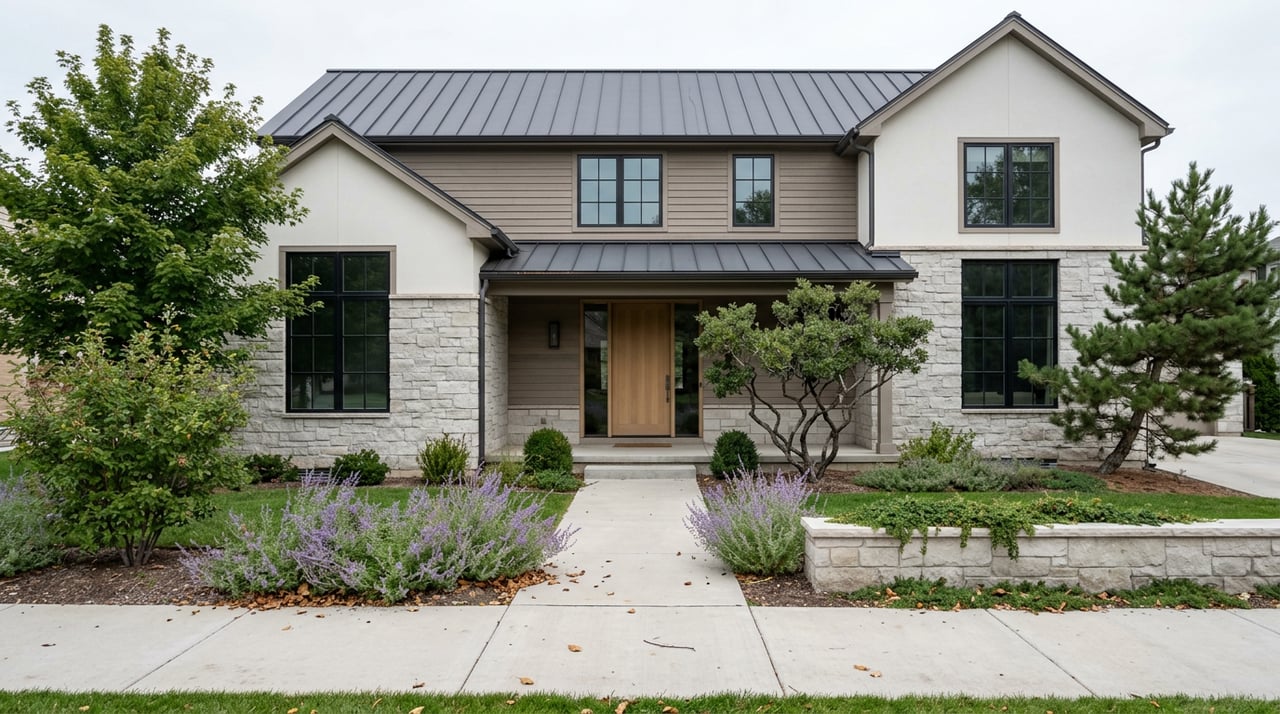
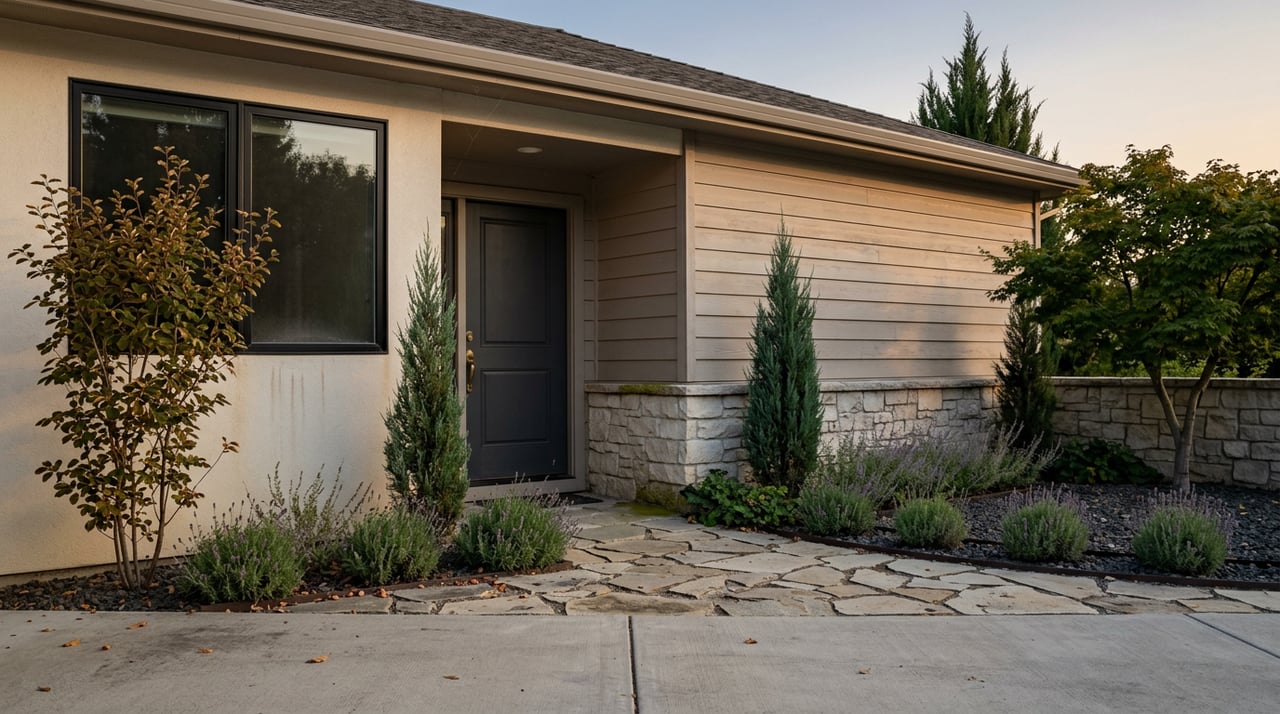
Draper is not a one-format housing market. The city’s zoning framework allows everything from lower-density detached homes on larger lots to townhomes, condominiums, apartments, and mixed-use residential areas.
According to Draper’s zoning code, RA1 and RA2 are intended for detached single-family dwellings on large lots. R4 and R5 allow medium to medium-high density residential development with single-family homes on smaller lots, while RM1 and RM2 allow apartments, townhomes, twin homes, and condominiums at relatively high densities.
That range is important if you are relocating and trying to balance price, maintenance, space, and commute convenience. A condo or townhome may offer simpler upkeep and access near transit or commercial areas, while a larger single-family home may offer a different lot size, layout, and daily rhythm.
What that means for buyers
- Condos and townhomes may appeal if you want lower exterior maintenance and easier access to key corridors.
- Single-family homes on smaller lots may offer a middle ground between space and upkeep.
- Larger-lot detached homes may appeal if lot size and lower-density surroundings are higher priorities.
- Properties near station areas or town center planning zones may come with a different feel, density pattern, and redevelopment context than other parts of the city.
Pay attention to station areas and town center planning
Some relocating buyers focus only on the house and miss the bigger planning picture around it. In Draper, that can be a mistake, especially if you are buying near a station area or the town center.
The city’s master planning includes station-area plans for Kimballs Lane, Crescent View, Draper FrontRunner, and Town Center. The zoning code also says the town center zone is meant to support a mix of commercial uses, limited high-density residential uses, and civic areas.
The Draper Town Center Station Area Plan adds another layer. It says the historic downtown west of the station area is intended to keep its scale, while core sites around the station area are envisioned for mixed-use redevelopment and denser housing.
For you, that means location inside Draper is not just about address. It is also about the pattern of development around the home, how much activity you want nearby, and whether you prefer a more established setting or an area with more change over time.
Understand ADUs before you buy
If you are considering a home with a basement apartment, internal suite, or detached living space, do not assume the setup is automatically approved. Draper requires permits for accessory dwelling units on single-family homes and allows both detached ADUs and internal ADUs.
That matters for buyers who want flexibility. You may be thinking about multi-generational living, guest space, or future rental potential, but the first step is confirming what is permitted and documented for the specific property.
If permit-sensitive work has been done, Draper’s Planning Services Portal can help users submit land-use applications, check status, and resubmit drawings online. For a remote buyer, that can be a useful tool for verifying paperwork before you move forward.
Plan a smart scouting trip
A relocation scouting trip works best when it is structured around real-life decision points, not just a fast tour of listings. In Draper, that usually means comparing homes by corridor, commute style, and housing type.
A practical approach is to test the commute mode you actually expect to use. Tour at least one transit-oriented property near a station area, then compare it with a lower-density single-family option so you can weigh parking, maintenance, and access in the same visit.
If you are flying in, Draper City says Salt Lake International Airport and Provo Municipal Airport are both about 30 minutes away by car. That makes it realistic to plan a focused visit, even if you are working with a short relocation timeline.
Scouting trip checklist
- Drive or ride the commute you expect to use most
- Compare at least two housing formats
- Ask whether the property is in Salt Lake County or Utah County
- Review the surrounding development pattern, not just the home itself
- Check any ADU, remodel, or addition for permit history if relevant
Confirm county and tax details
This is one of those small details that can become a big one if you overlook it. Draper says most of the city is administered through Salt Lake County, while Utah County handles some portions.
The city also notes that property tax is only one component of the total bill. If you are comparing homes, confirm the county and taxing district for the exact property rather than assuming every Draper address works the same way.
For relocating buyers, this is part of disciplined due diligence. It is especially important if you are making decisions quickly from out of town.
Handle a remote purchase carefully
If you cannot be in Draper for every step of the purchase, a strong process matters. A remote transaction can go smoothly, but it requires clear timelines, careful verification, and the right local support.
One of the first key steps is the inspection. Consumer guidance says you should schedule the home inspection as soon as possible, and it is important to remember that an inspection is different from an appraisal.
That same guidance also explains that if your purchase contract is contingent on a satisfactory inspection, you can cancel without penalty if the inspection is not acceptable. For a relocating buyer, that timeline matters because delays can reduce your options.
Best practices for long-distance buyers
- Schedule the inspection quickly
- Request video or live remote walkthroughs when you cannot attend in person
- Review inspection findings carefully and ask direct follow-up questions
- Complete a final walk-through before signing whenever possible
- Confirm every wire instruction with a trusted known contact
Protect yourself at closing
Closing is the final step, but it is not the time to go on autopilot. Consumer guidance says buyers should review closing documents carefully and complete a final walk-through before signing.
It also warns that mortgage-closing scams often target buyers in the final days before closing. If you receive new wire instructions by email or text, confirm them directly with a known contact before sending money.
Utah law also recognizes lawful remote notarization, and the Utah notary office provides an official remote online notarization framework and approved-vendor process. In some transactions, that may help make a long-distance closing easier, depending on the lender, title company, and document requirements.
A practical way to approach Draper
Draper can be a strong fit if you want options. Its location connects two valleys, its housing stock covers a wide range of property types, and its transit and planning framework create different lifestyle patterns within the same city.
The best relocation decisions usually come from narrowing the search with discipline. Start with your real commute, compare housing types honestly, verify county and permit details, and build a remote-buying process that protects your time and money.
If you want a calm, strategic guide as you evaluate Draper and the broader Salt Lake market, Petra Winegar brings candid advice, relocation experience, and hands-on support to help you move with clarity.
FAQs
What makes Draper, Utah appealing for relocating homebuyers?
- Draper offers a location between Salt Lake Valley and Utah Valley, access to TRAX and FrontRunner, and a broad mix of housing types from condos and townhomes to larger single-family homes.
What should buyers know about commuting from Draper, Utah?
- Your commute depends on which valley you work in, which corridor you use, and whether you plan to drive or use transit, so it helps to test your actual route before you buy.
What types of homes can buyers find in Draper, Utah?
- Draper’s zoning allows larger-lot detached homes, single-family homes on smaller lots, and higher-density options such as townhomes, twin homes, condominiums, and apartments.
What should remote buyers verify before buying a home in Draper, Utah?
- Remote buyers should confirm the property’s county and taxing district, verify permits for any ADU or major remodel work, move quickly on inspections, and confirm all closing instructions through a trusted contact.
Can buyers close remotely on a home in Draper, Utah?
- In some cases, yes, because Utah recognizes lawful remote notarization, but availability depends on the lender, title company, and the documents involved.