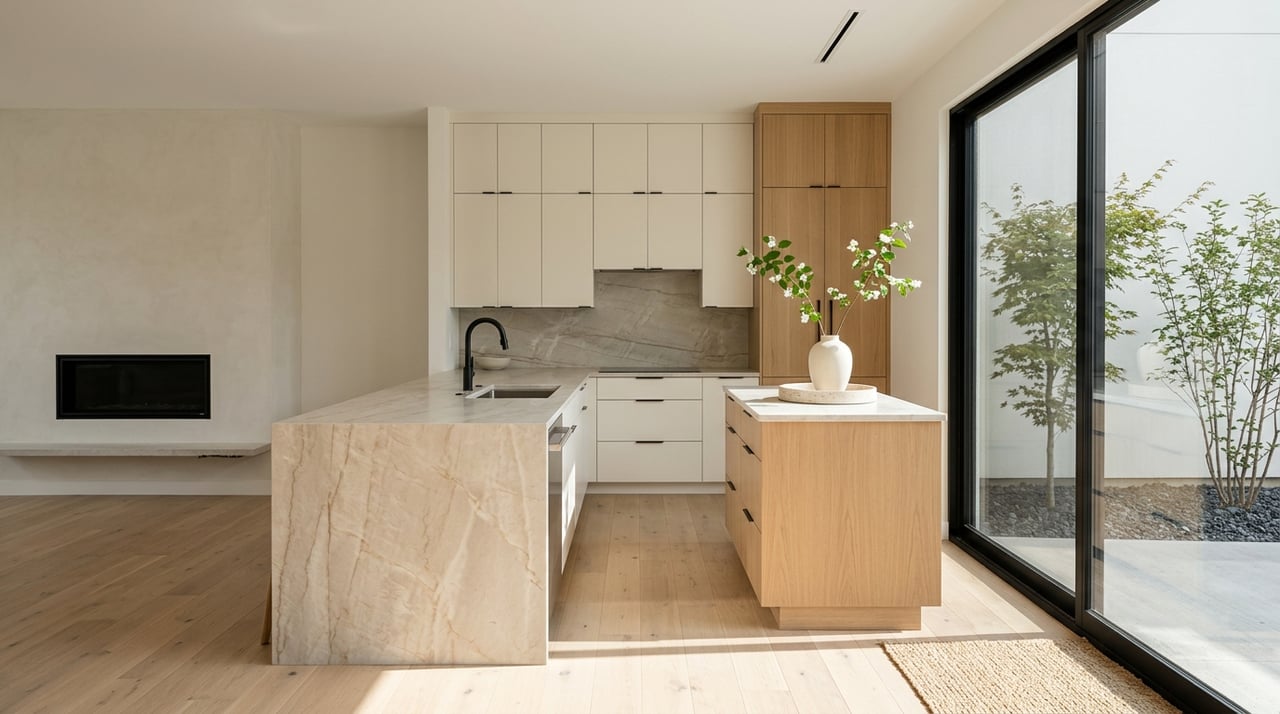
If you are thinking about selling in Millcreek, one question matters right away: how do you prepare your home well without overspending, and how do you price it so buyers take it seriously from day one? That can feel like a tough balance, especially in a market where demand is still healthy but buyers are clearly paying attention to condition and price. The good news is that a smart, local plan can help you avoid wasted time, protect your leverage, and make your home stand out. Let’s dive in.
Understand the Millcreek market first
Before you paint a wall or pick a list price, it helps to understand the range the market is showing today. Public dashboards place Millcreek roughly in the mid-$600,000s, with reported figures ranging from about $644,544 to $683,047 depending on the source and time frame. Reported days on market also vary, from around 14 days pending on one platform to 34 to 44 days on others.
That difference does not mean the data is wrong. It means you should treat those numbers as a range, not a single exact benchmark. It also reinforces why your home should be priced from very local comparable sales, active competition, and property condition instead of a broad headline number.
Millcreek also tends to sit above the broader Salt Lake County baseline. Salt Lake County’s median sale price in March 2026 was $544,950, while Millcreek’s public market figures came in noticeably higher. For you as a seller, that means county averages can provide context, but they should not drive your pricing strategy.
Why pricing discipline matters
Millcreek is not a market where you can simply name a high number and expect buyers to chase it. Realtor.com reported a 90% sales-to-list price ratio and 44 median days on market in March 2026, while Redfin reported 34 days on market through April 2026. That suggests buyers are active, but they are not rewarding homes that miss the market on price.
Countywide trends point in the same direction. Salt Lake County recorded 1,071 closed sales in March 2026, up 8.4% year over year, but the Salt Lake Board of Realtors reported that county median days on market rose from 29 in 2024 to 36 in 2025. In practical terms, that points to a market that still moves, but one that is less forgiving of overpricing.
If you start too high, you risk losing early momentum. Once a listing sits, buyers often begin to wonder what is wrong with it, even when the issue is simply price. A strong first-week response is usually easier to protect than trying to recover later with price reductions.
Start with records and inspection-ready basics
Preparation starts long before photos or showings. One of the smartest first steps is to gather the paperwork that helps explain your home clearly and confidently. That includes repair invoices, service records, warranties, guarantees, appliance manuals, and permits for completed work.
In Utah, the state-approved Real Estate Purchase Contract shows that buyer due diligence can cover a wide range of topics. That can include the home’s physical condition, roof, foundation, plumbing, electrical, mechanical systems, heating and air conditioning, appliances, water source and quality, property lines, service costs, HOA dues, and zoning or environmental issues. If buyers may review those areas, it helps you to be organized before your home goes live.
A pre-sale inspection can also be worth considering. It is not required, but it can help you identify larger concerns early and get repair estimates before buyers do. That gives you more control over timing, budgeting, and negotiation strategy.
Focus on visible updates with practical payoff
Many sellers assume they need a major remodel to compete. In most cases, that is not the best use of time or money. Current seller guidance and remodeling research support a more disciplined approach: prioritize smaller, visible improvements that help your home feel clean, cared for, and move-in ready.
That often means:
- Touch-up or fresh interior paint
- Updated light fixtures or bulbs
- Clean windows and walls
- Freshened carpets or flooring where needed
- Repaired door hardware and small cosmetic issues
- A tidy, appealing front entry
NAR’s 2025 remodeling research found that smaller projects often recover more cost than large remodels. Reported top cost-recovery projects included a new steel front door at 100%, a closet renovation at 83%, and a new fiberglass front door at 80%. For a Millcreek seller, that supports investing first in details buyers notice quickly.
Clean, declutter, and simplify the space
A clean home reads as a well-maintained home. Before showings, focus on deep cleaning and removing extra items that make rooms feel crowded or distracting. This includes windows, carpets, lighting fixtures, walls, counters, and storage areas that buyers may open during tours.
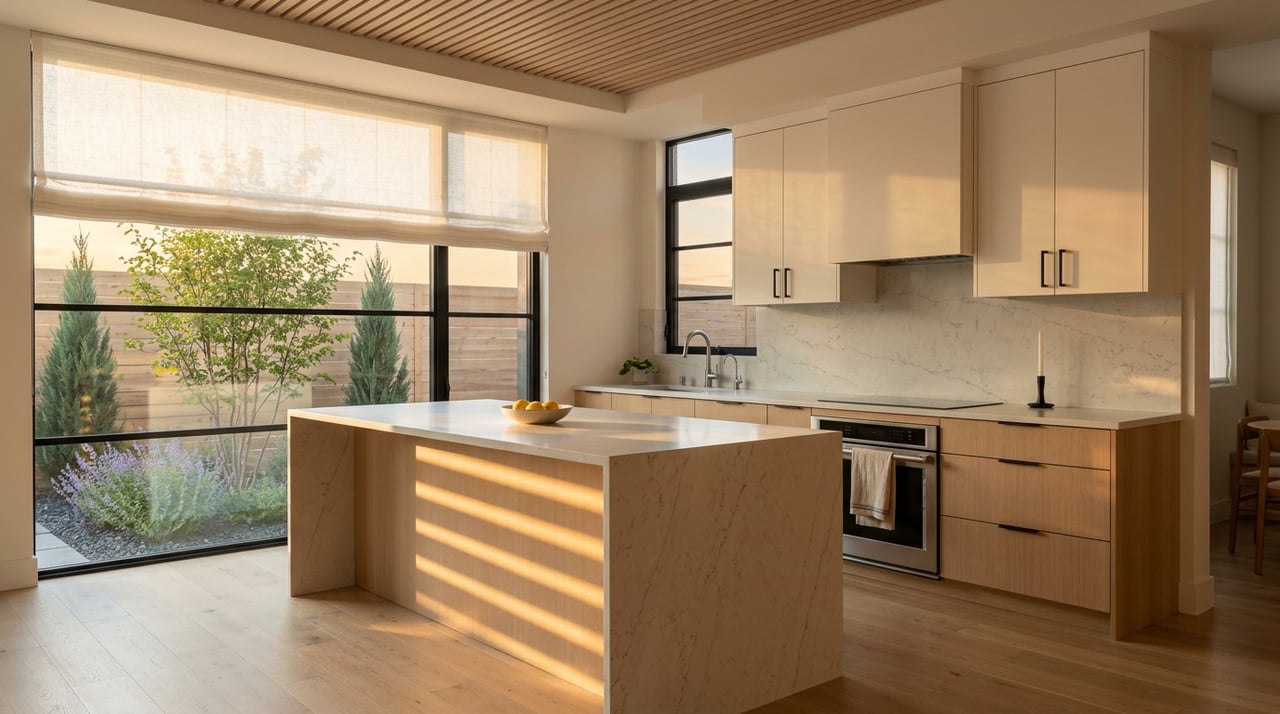
Decluttering is not about stripping away personality. It is about helping buyers see the space itself. When rooms feel lighter, brighter, and easier to understand, buyers can focus on layout, natural light, and features instead of your daily life.
This step is especially important online. Many buyers form their first opinion from photos, so simplifying each room can improve both photography and in-person showings.
Use staging to support faster, stronger interest
Staging is not only for luxury listings or vacant homes. It can be a practical tool for helping buyers connect with your property faster. NAR’s 2025 Profile of Home Staging found that 49% of agents said staging reduced time on market, and 29% said it increased the dollar value offered by 1% to 10%.
The same report found that 83% of buyers’ agents said staging makes it easier for buyers to envision the property as their future home. That matters in a market where first impressions and early response can shape the entire sale. Even light staging or thoughtful furniture editing can improve flow, scale, and presentation.
This is also where concierge-level preparation can make a difference. Coordinating staging, design consulting, landscaping, and cleaning in a disciplined order can help you avoid last-minute stress and present the home with more polish.
Don’t overlook curb appeal and photography
Your home meets buyers twice before they make an offer. First from the street, then online. That makes curb appeal and photography essential, not optional.
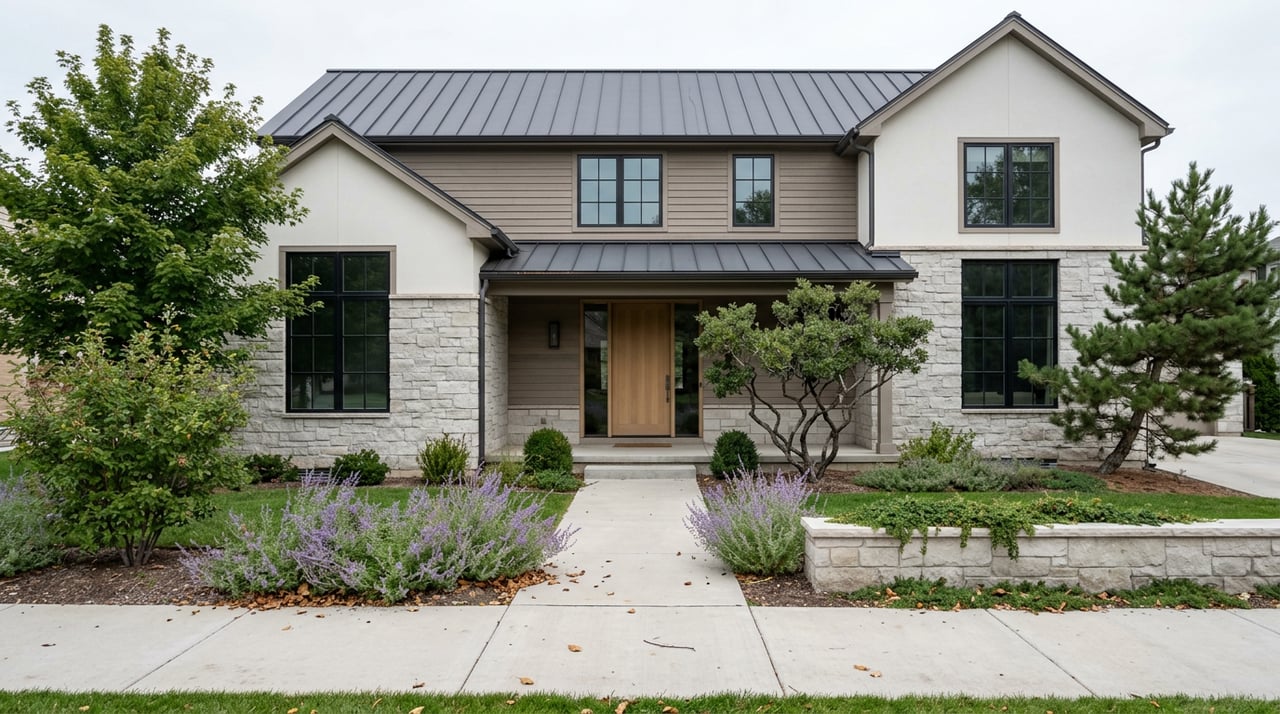
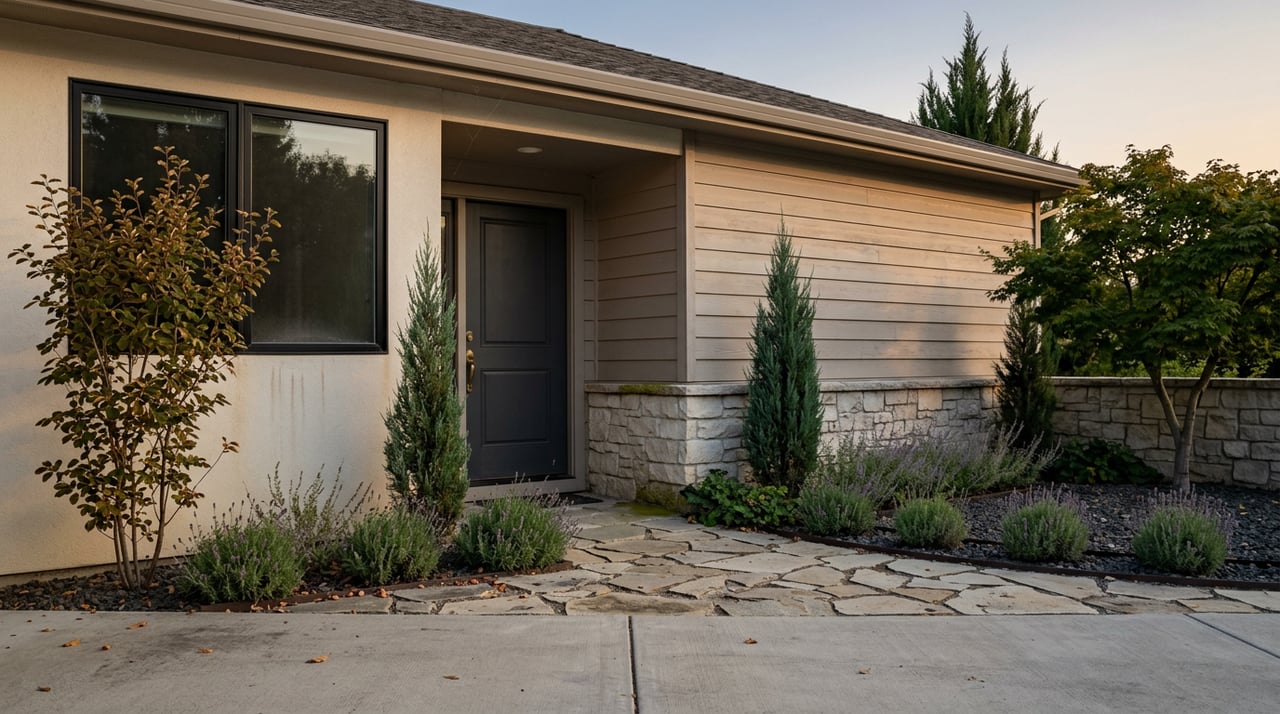
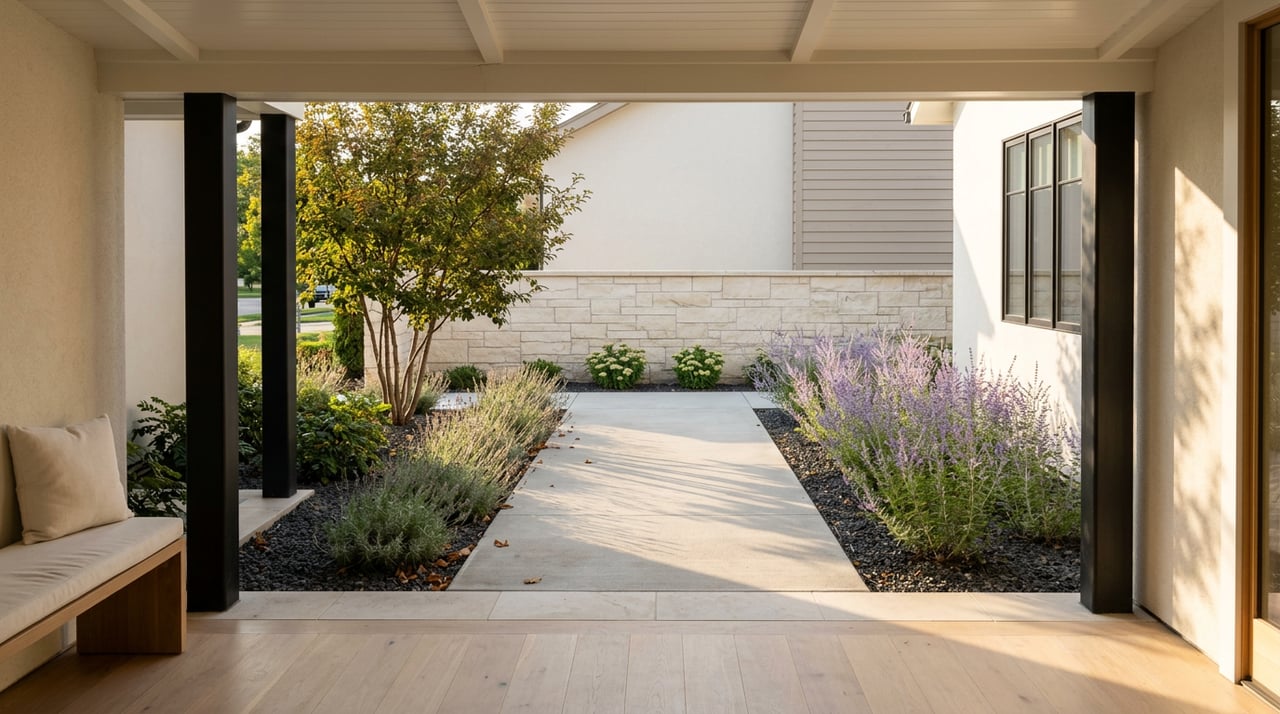
Seller guidance points to landscaping, paint, shutters, the front door, and walkway condition as areas worth attention. In simple terms, buyers want the exterior to feel cared for, accessible, and inviting. You do not need a dramatic redesign, but you do want a tidy yard, clear entry, and a front elevation that looks well maintained.
Professional photography works best when the prep work is already done. Bright, clean, neutral spaces with strong curb appeal tend to photograph better and attract more attention early. In Millcreek, where buyers are comparing homes carefully, that first visual impression can shape both showing traffic and pricing power.
Price from Millcreek comps, not guesswork
A list price should come from market evidence, not from what you hope to net or what a broader county average suggests. Valuation guidance makes this clear: value comes from the current market and the property’s actual characteristics. That includes recent comparable sales, current competition, condition, square footage, lot size, updates, and likely appraisal support.
For Millcreek, local detail matters. A useful comparative market analysis should narrow in on homes that are as similar as possible in neighborhood, property type, age, lot size, and renovation level. A remodeled home in one part of Millcreek may not support the same price as a more dated home in another pocket, even if the square footage looks similar on paper.
This is where disciplined advice matters most. A strong pricing strategy aims to attract serious attention quickly, support appraisal where financing is involved, and keep your negotiating position intact.
Plan around permits and disclosure timing
If you are thinking about doing work before listing, timing matters. Millcreek notes that most projects where structures are being built require a building permit, and the city says initial plan review can take 14 business days. If your project involves exterior or structural work, start early so the listing timeline does not get squeezed.
Disclosures also need care. Utah’s state-approved purchase contract requires a written seller property condition disclosure. If your home was built before 1978, lead-based paint disclosure and acknowledgment are also required.
Accuracy is the goal here. Disclosures should be complete, factual, and supported by what you know about repairs, permits, HOA documents, and any outstanding issues. Taking this step seriously can help reduce surprises later in the transaction.
A practical preparation sequence for Millcreek sellers
If you want a clear roadmap, this is a smart order of operations:
- Gather records, permits, and service history
- Identify repairs and decide what is worth doing
- Deep clean and declutter the home
- Complete visible, low-cost updates
- Improve curb appeal and finalize staging
- Review recent Millcreek comps and set list price
- Launch with strong photography and a polished presentation
This sequence helps you stay focused on the work most likely to improve buyer response. It also keeps you from spending money out of order or making pricing decisions before the home is truly ready.
The bottom line for Millcreek sellers
Millcreek homes can attract strong interest, but the current market appears to reward two things most: thoughtful preparation and realistic pricing. Buyers are still active, yet the numbers suggest they are also selective. That makes your first impression, local pricing strategy, and overall presentation more important than ever.
If you want a sale that feels more controlled and less reactive, start with the basics that matter most. Prepare the home like buyers will notice every detail, and price it like the market will test every assumption. For a tailored Millcreek strategy with candid guidance and hands-on preparation support, connect with Petra Winegar.
FAQs
What is the typical home price range in Millcreek right now?
- Public market dashboards place Millcreek roughly in the mid-$600,000s, with reported figures ranging from about $644,544 to $683,047 depending on source and measurement period.
How long do homes in Millcreek usually take to sell?
- Reported timelines vary by source, with homes going pending in around 14 days on one platform and median days on market of 34 to 44 days on others.
What home improvements matter most before selling in Millcreek?
- The most practical updates are usually visible, lower-cost items such as paint, cleaning, lighting, hardware, entry improvements, and selective repairs rather than major remodels.
What disclosures are required when selling a home in Utah?
- Utah’s state-approved purchase contract requires a written seller property condition disclosure, and homes built before 1978 also require lead-based paint disclosure and acknowledgment.
Why is local pricing so important for a Millcreek home sale?
- Millcreek often performs above the county baseline, so pricing should be based on recent Millcreek comparables, similar property features, current competition, and condition rather than county averages alone.